
What should a Dubai villa owner define before asking how much a villa renovation costs?
A cheap villa renovation quote can become expensive when the owner has priced a dream, not a scope. A Dubai villa owner should define renovation cost by rooms, systems, finishes, approvals, temporary protection, and exclusions before any contractor is asked to price the work.
This guide is for an owner-occupier or private landlord renovating an existing villa in Dubai emirate villa communities. It does not cover new-build construction, major development work, or renovation rules in other UAE jurisdictions. It also does not rely on a universal cost per square foot, because that number becomes misleading when bathrooms, MEP upgrades, access rules, and retained finishes are not described.
A Dubai villa renovation budget starts with rooms, systems, and approvals
The first decision is the renovation category. A cosmetic refresh may include paint, minor repairs, lighting swaps, and loose furniture. A partial upgrade may focus on the kitchen, bathrooms, wardrobes, or flooring. A full interior renovation usually touches most rooms. A structural or layout change may affect walls, openings, stairs, extensions, or façade elements. An MEP-heavy renovation changes mechanical, electrical, and plumbing systems, such as air-conditioning distribution, electrical capacity, water supply, drainage, waterproofing, or controls.
A pre-call brief should give each contractor the same visible map of the villa:
- Rooms and zones: kitchen, bathrooms, bedrooms, living and dining areas, corridors, staircase, service rooms, maid’s room, laundry, roof, balconies, garden-facing works, pool area, driveway, and boundary elements.
- Systems: electrical, plumbing, HVAC, drainage, waterproofing, lighting control, data points, security, smart home provisions, and irrigation where relevant.
- Retained items: flooring, doors, windows, stone, sanitaryware, kitchen carcasses, wardrobes, ceiling details, or landscape elements that must be protected rather than replaced.
- Approval path: authority approvals, community or developer NOC, service changes, inspections, and completion requirements where the actual scope triggers them.
- Known defects: leaks, damp patches, failed grout, cracked tiles, uneven floors, roof issues, low water pressure, tripping circuits, or poor cooling in specific rooms.
Use a simple pre-call sequence before booking site visits:
- Classify the renovation as cosmetic, partial, full interior, structural, layout-led, or MEP-heavy.
- Mark every room and external zone that is included, excluded, or protected.
- List each system that may be touched, tested, upgraded, rerouted, or replaced.
- Identify approval, community, access, storage, waste, and working-hour constraints.
- Separate owner-supplied items from contractor-supplied items before requesting prices.
Moisture should not be treated as a cosmetic note in bathrooms, laundry rooms, closets, exterior walls, or roof-adjacent rooms. The U.S. Environmental Protection Agency says wet or damp spots and condensation should be fixed promptly to help prevent mold growth, so a Dubai villa budget should identify suspected moisture before finishes are priced as simple replacement work: EPA mold and moisture guidance.
The same villa renovation brief can price differently if occupancy, access, and timing change
Logistics change contractor method. A vacant villa allows wider demolition areas, easier material movement, and fewer protection stages. An occupied villa needs phasing, daily cleaning, dust barriers, temporary services, safe access, and stricter sequencing around bedrooms, kitchens, bathrooms, and pets or children.

What should a Dubai villa owner define before asking how much a villa renovation costs shown with finish, fixture, and clearance relationships visible.
A Dubai community can also change the cost of preliminaries, which are the contractor’s setup and management costs. Before asking for quotations, the owner should verify gated access rules, permitted work hours, contractor registration, parking, lift or road protection if relevant, skip placement, waste removal, delivery windows, security passes, and any community deposit or NOC process through the community manager or developer.
Accessibility and future-use choices also belong in the brief before pricing. If an owner wants accessible dining or work surfaces as an optional planning benchmark, the U.S. Department of Justice 2010 ADA Standards set accessible dining and work surfaces at 28 to 34 inches above the finish floor or ground: 2010 ADA Standards for Accessible Design. That reference is not a substitute for Dubai project requirements, but it shows why dimensions should be named before joinery and counters are quoted.
A defined renovation brief is only the first control point. The next step is to turn that brief into a cost schedule that separates construction, MEP, finishes, approvals, and owner-supplied items.
A scope-based Dubai villa renovation budget should separate construction, MEP, finishes, approvals, and owner items
A practical Dubai villa renovation budget should be built as a cost schedule rather than a lump sum, with demolition, civil works, mechanical, electrical and plumbing, finishes, joinery, fixtures, authority costs, consultant fees, VAT basis, contingency and owner-purchased items separated before pricing.

A scope-based Dubai villa renovation budget should separate construction, MEP, finishes, approvals, and owner items shown with finish, fixture, and clearance relationships visible.
The owner budget schedule should identify each cost category before pricing
MEP means mechanical, electrical and plumbing. In a villa renovation in Dubai, MEP can change the budget faster than visible finishes because air conditioning, drainage, power points, water pressure, waterproofing and ceiling access all affect what must be opened, tested and reinstated.
| Cost category | What it includes | What owners forget | Who prices it |
|---|---|---|---|
| Enabling works and demolition | Site protection, removals, skip disposal, strip-out, temporary services | Dust control, retained flooring, neighbour or community access limits | Contractor |
| Civil works and waterproofing | Blockwork, screeds, plaster, wet-area waterproofing, minor layout changes | Shower slopes, balcony thresholds, leak testing before tiling | Contractor with specialist input where needed |
| MEP and HVAC | Electrical points, plumbing, drainage, AC ducts, controls, ventilation | Load checks, access panels, testing, ceiling coordination | MEP subcontractor or main contractor |
| Finishes and joinery | Flooring, wall finishes, ceilings, kitchen, wardrobes, doors, windows | Substrate preparation, edge trims, ironmongery, shop drawings | Contractor, joinery supplier, specialist installer |
| Fixtures and lighting | Sanitaryware, mixers, decorative lights, LED fittings, switches | Drivers, lamps, transformers, installation accessories | Supplier and contractor |
| Approvals, testing and close-out | Drawings, submissions, inspections, testing, cleaning, handover documents | Community NOCs, consultant fees, authority-related resubmissions | Consultant, contractor, owner, authority or community manager |
| VAT, contingency and owner items | VAT basis, risk allowance, owner-bought appliances, furniture, smart devices | Whether prices are VAT-inclusive, VAT-exclusive or subject to later confirmation | Owner, contractor, supplier, tax adviser where needed |
Owner-supplied items should be listed separately from contractor-supplied items
Owner-supplied appliances, decorative lights, sanitary fixtures, tiles, smart devices and loose furniture need their own column because purchase price is not the full installed cost. The budget should state who receives delivery, who stores the item, who carries damage risk, who checks missing parts, who supplies brackets or valves, and who handles warranty if installation fails.
Lighting is a common trap. If the owner chooses LED fittings for efficiency, the quotation still needs drivers, dimmers, cut-outs and installation labour. For context, ENERGY STAR states that qualified LED lighting uses at least 75 percent less energy and lasts up to 25 times longer than incandescent lighting, where qualified LED products apply.
Professional and authority costs should not be hidden inside the contractor total
Professional fees, engineering checks, design drawings, authority submissions, community permits, testing and inspection attendance may sit outside the contractor’s construction price. If accessibility planning is part of the brief, the 2010 ADA Standards specify a 30 by 48 inch clear floor space for wheelchair positioning, which can affect bathroom, kitchen or doorway planning where the owner chooses that design benchmark.
A clean schedule makes the quote look less simple, but it stops cheap totals from hiding missing work. The next risk is the allowance line that looks harmless until the real specification arrives.
Which allowances make Dubai villa renovation quotes look cheaper than they are?
Allowances can make a Dubai villa renovation quote appear complete while leaving major choices unpriced. Owners comparing contractors should test provisional sums and prime cost allowances for kitchens, joinery, tiles, sanitaryware, lighting, HVAC changes, waterproofing, and authority submissions before treating any total as fixed.
A provisional sum is useful only when the unknown condition is clearly described
A provisional sum is a budget placeholder for work that the contractor cannot price fully before investigation. In a Dubai villa renovation, a provisional sum may be reasonable for concealed plumbing repairs, slab repair after demolition, extra waterproofing after opening a wet area, or authority-required modifications that depend on review.
The risk starts when the quote says only “provisional sum for repairs” with no location, assumption, unit basis, or trigger for adjustment. A useful provisional sum should state what has not been inspected, what the allowance covers, what evidence will justify a change, and how the final cost will be measured.
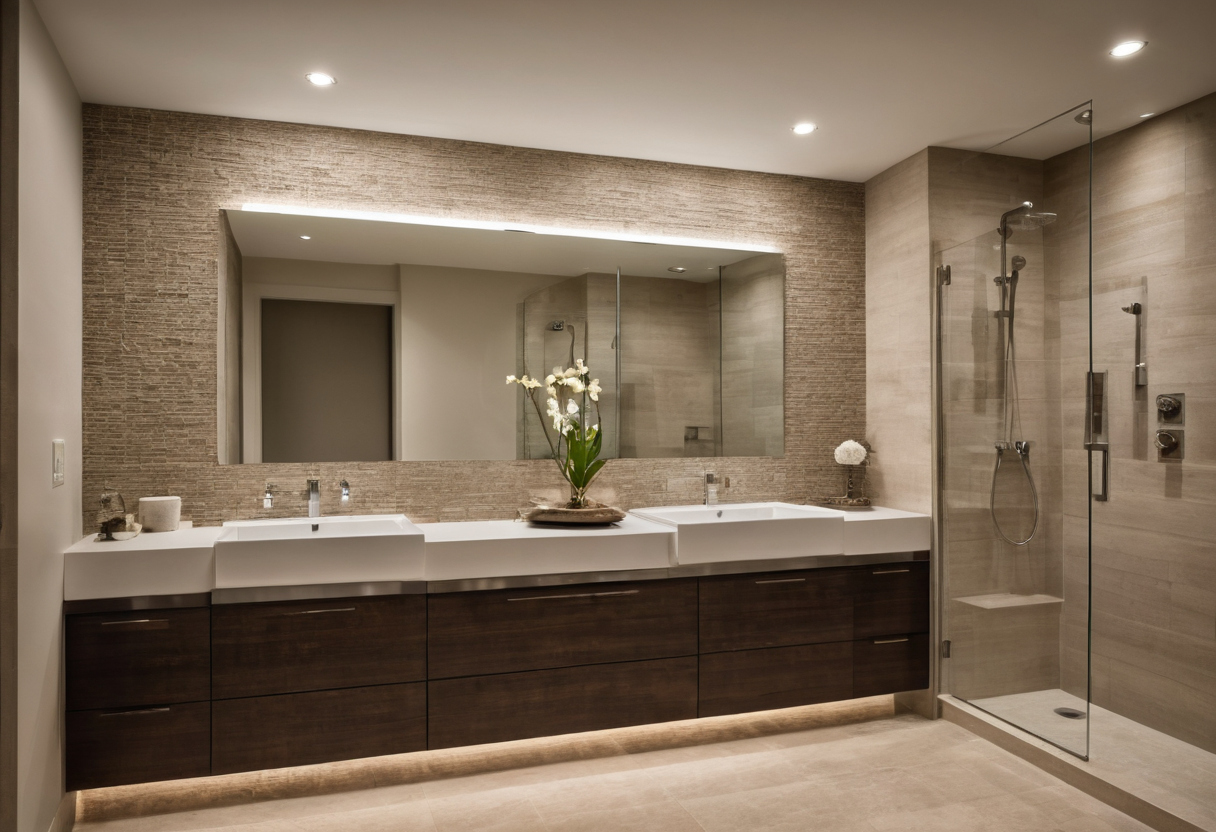
Which allowances make Dubai villa renovation quotes look cheaper than they are shown as an editorial reference for proportion and finish coordination.
A prime cost allowance should state brand level, quantity, and installation exclusions
A prime cost allowance is normally a supply allowance for an item not yet selected. It can cover tile supply per square metre, sanitaryware sets, mixers, decorative lighting, kitchen appliances if contractor-supplied, or door hardware.
The allowance becomes misleading when one contractor assumes basic items and another assumes a higher specification. A sanitaryware allowance, for example, should identify the number of WCs, basins, mixers, showers, accessories, delivery responsibility, and whether installation materials are included or priced elsewhere.
A Dubai villa owner should convert vague allowances into named specifications before signing
Before accepting a renovation quote, the owner should turn each vague allowance into a checkable line item:
- Brand or performance level: economy, mid-range, premium, or a named equivalent standard.
- Quantity: room count, square metres, linear metres, fixture count, or appliance count.
- Unit rate: supply-only rate and installed rate where both apply.
- Installation scope: adhesives, trims, supports, valves, testing, commissioning, and making good.
- Delivery and storage: who orders, receives, stores, protects, and replaces damaged items.
- Warranty responsibility: who handles product defects and installation defects.
- Substitution process: who approves alternatives if the selected item is unavailable.
Once allowances are visible, the next budget risk is not the finish selection itself, but the approvals, service changes, and compliance items that can shift the scope before work starts.
What Dubai approvals, service changes, and compliance items can affect a villa renovation budget?
Dubai villa renovation budgets should include compliance and service-change costs when work affects structure, façades, MEP systems, drainage, electrical load, water service, pools, or managed-community rules. The exact requirement depends on villa location, scope, building type, authority jurisdiction, and developer or owners association procedures.
Dubai Municipality and Dubai Building Code requirements depend on the renovation scope
Dubai Municipality approval risk rises when a renovation moves beyond surface finishes into alteration, extension, structure, façade change, swimming pool work, or core services. A repaint and loose furniture refresh is not the same budgeting problem as removing walls, relocating bathrooms, changing stair openings, enclosing external areas, or rebuilding wet rooms.
Dubai Municipality building permit procedures state that Building Permits and Completion Certificates are administered to apply quality standards and approved specifications that support the safety of buildings and structures. Dubai Municipality also lists residential villas, including private and investment villas, within its building permit procedure categories, and the same procedures cover technical inspections of under-construction sites in Dubai.
Dubai Building Code review is a scope question, not a label on the quote. A consultant should identify whether the proposed villa renovation touches structural integrity, fire and life safety, accessibility, waterproofing, electrical systems, plumbing, drainage, HVAC, façade performance, or energy-related requirements. The owner budget should therefore include a line for drawings, consultant coordination, submissions, inspection support, and close-out documents where the work requires formal review.
Swimming pool work deserves a separate check. Dubai Municipality provides a service to obtain approval for private and public swimming pool drawings before construction starts, where that approval is required, to check technical, engineering, and safety standards through its Dubai Municipality services portal. Dubai Municipality also provides a completion certificate service for building permits that include decor, modifications, adjustments, and maintenance, so close-out cost should not be left as an afterthought.
DEWA-related changes should be budgeted before electrical or water upgrades are promised
DEWA-related cost exposure starts when the renovation brief changes demand, routing, metering, or connection conditions. New HVAC capacity, a larger kitchen load, EV charging provisions, external pumps, irrigation changes, relocated water heaters, or major bathroom additions can turn a simple contractor allowance into an engineering and submission item.
The owner should ask the consultant or contractor to confirm, before pricing is treated as fixed, whether the scope needs electrical load calculation, panel upgrade, cable route review, meter-related coordination, water service alteration, inspection attendance, or deposits. Dubai Municipality also provides a service to request a site visit to verify correction of existing building violations, including cases linked to reconnecting electricity service or releasing suspended transactions. Existing violations can therefore affect budget and handover, not only paperwork.
Indoor works can also create compliance and occupation issues during finishing. The U.S. Environmental Protection Agency recommends increasing ventilation when products that emit volatile organic compounds are used indoors, so a lived-in villa budget should allow for ventilation planning, sequencing, temporary protection, and safe reoccupation periods when paints, adhesives, sealants, or coatings are used.
Community NOCs can add time, protection rules, deposits, and access constraints
Community approvals are not authority approvals, but they can change preliminaries and programme. Managed villa communities in Dubai commonly require the owner or contractor to obtain an NOC, register the contractor, submit insurance or trade licences, pay refundable deposits, follow working hours, protect common areas, control waste removal, and arrange access passes for labour and vehicles.
The safest budget diagnostic is simple: ask the community manager for the current renovation pack before inviting contractors to price. The pack should clarify NOC documents, refundable deposit conditions, permitted work hours, delivery routes, skip placement, neighbour protection, security access, noise limits, and reinstatement rules. Those items affect site supervision, logistics, cleaning, hoarding, protection, and time-related preliminaries.
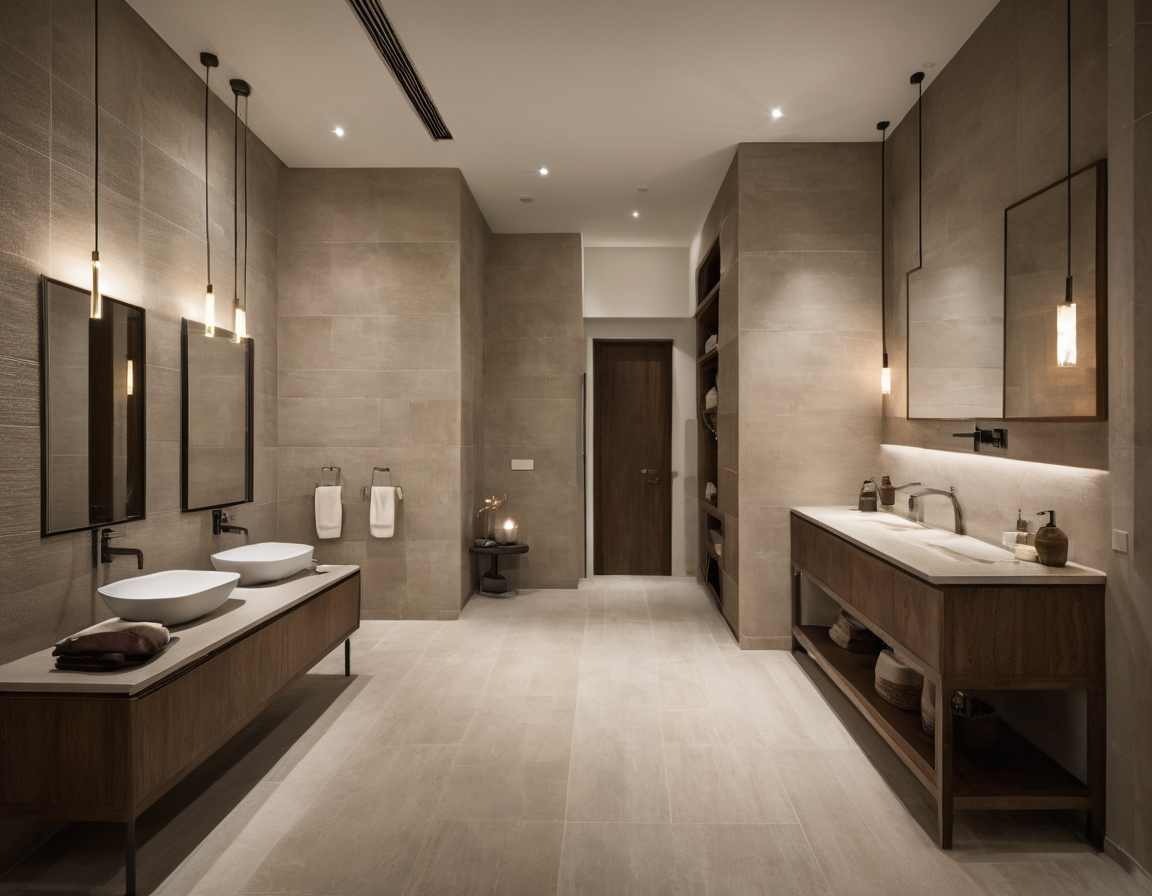
What Dubai approvals, service changes, and compliance items can affect a villa renovation budget shown as a planning reference for layout, scale, and material decisions.
A contractor quote that ignores approvals can still look cheaper on day one. The next test is whether every contractor has priced the same compliance, service-change, NOC, inspection, VAT, exclusion, and timing assumptions on a like-for-like basis.
How should a Dubai villa owner compare contractor quotations on a like-for-like basis?
A Dubai villa owner should compare contractor quotations only after each bidder prices the same scope, specifications, assumptions, exclusions, and programme. The lowest total is not meaningful unless VAT basis, approvals, preliminaries, site protection, waste disposal, warranties, and variation rules are shown consistently.
A like-for-like quote comparison table should include scope, exclusions, VAT, time, and payment terms
A comparison table turns contractor offers into decision evidence. The aim is not to force every contractor into the same format, but to expose gaps before the owner signs.
| Check item | Contractor A | Contractor B | Owner question |
|---|---|---|---|
| Quoted total and VAT basis | Is the total VAT-inclusive or VAT-exclusive? | ||
| Inclusions and exclusions | Are approvals, protection, disposal, testing, and cleaning included? | ||
| Allowances and provisional sums | Which items can increase after selection or opening-up? | ||
| Programme and payments | Do milestones match visible site progress? | ||
| Warranty, defects, and variations | How are defects, retention, and changes priced? |
A bill of quantities helps owners compare units instead of impressions
A bill of quantities, or BOQ, is an itemised pricing schedule. For villa renovation in Dubai, useful BOQ lines include square metres of tile, square metres of waterproofing, linear metres of skirting, number of sanitary fixtures, number of light points, doors, wardrobes, and paint areas.
Material descriptions matter because a “paint and finish” line can hide different products and protection measures. The U.S. Environmental Protection Agency identifies paints, varnishes, waxes, cleaning products, building materials, and furnishings as common indoor sources of volatile organic compounds, so indoor finish assumptions should be clear.
Variation rules should be agreed before demolition starts
Variation control protects the budget once hidden leaks, damaged waterproofing, weak substrates, client upgrades, or authority comments appear. Each variation should state the description, reason, cost, time impact, VAT status, approval signature, and revised completion date.
A quote that cannot explain changes before work starts will not become clearer during demolition. After comparison, the remaining budget question is how much contingency and which exclusions the owner should carry.
What contingency and exclusions should a realistic Dubai villa renovation budget carry?
A realistic Dubai villa renovation budget should carry contingency for hidden conditions and design development, not for missing scope. Existing villa owners should also write exclusions before appointment, including loose furniture, landscaping, appliances, temporary accommodation, utility upgrades, storage, moving costs, and post-handover maintenance.
Contingency should be linked to renovation risk, not used as a pricing shortcut
Contingency is a risk reserve. A cosmetic refresh with retained floors, limited demolition, and no service changes needs less protection than a bathroom and kitchen upgrade involving waterproofing, drainage, joinery, and appliance coordination. A full interior renovation with MEP replacement, structural alteration, occupied access, imported materials, or suspected concealed leaks needs a stronger reserve because discoveries can appear only after opening walls, floors, and ceilings.
Allowances are different. An allowance covers an unselected item, such as sanitaryware, lighting, wardrobes, or stone. Contingency covers a condition that cannot yet be measured. Mixing the two makes the quote look tidy but weakens cost control.
A Dubai villa renovation exclusion list should be written before the contractor is selected
The exclusion list should name every cost the contractor has not priced: curtains, loose furniture, appliances, permits not named in the quote, authority deposits, community deposits, pest control, deep cleaning, temporary accommodation, storage, moving, landscaping, pool works, CCTV, smart-home upgrades, and maintenance after handover.
Material care can also sit outside the build price unless specified. For natural stone, the Natural Stone Institute recommends neutral cleaners, stone soap, or mild liquid dishwashing detergent with warm water, and warns that abrasive scouring products can scratch stone surfaces.
The practical decision is simple: before comparing final offers, convert every assumed inclusion, exclusion, allowance, VAT basis, and contingency rule into one written budget schedule. Owners renovating for resale or rental strategy can also review Dubai villa renovation scope control for resale and rental positioning.
FAQ
How much does it cost to renovate a villa in Dubai if the scope is not final yet?
If the scope is not final, the owner should not treat any contractor total as a reliable renovation cost. The better first budget is a scope-based schedule that separates rooms, MEP, finishes, approvals, owner items, VAT basis, allowances, exclusions, and contingency.
What is a realistic renovation budget for a Dubai villa before contractor quotes?
A realistic pre-quote budget is not a single square-foot figure. It is a room-by-room and system-by-system budget with named assumptions for demolition, waterproofing, HVAC, electrical work, plumbing, flooring, ceilings, joinery, sanitaryware, lighting, approvals, testing, cleaning, and owner purchases.
What is the 30 percent rule for renovations, and is it useful for Dubai villa owners?
The 30 percent rule is a broad planning shortcut that some owners use to limit renovation spend against property value or expected return. It can be useful as a personal ceiling, but it should not replace a Dubai villa renovation scope budget because approvals, MEP work, bathrooms, kitchens, access rules, and hidden defects can change the true cost profile.
Should a Dubai villa owner ask for a BOQ before choosing a renovation contractor?
Yes, where the renovation is more than a small cosmetic refresh. A BOQ helps the owner compare quantities, unit rates, specifications, exclusions, provisional sums, and prime cost allowances instead of comparing lump sums that may include different assumptions.
How is villa renovation different from building a new villa in Dubai?
Villa renovation starts with an existing structure, existing services, community rules, retained finishes, hidden conditions, and occupation constraints. New construction starts from a different approval, design, site setup, and procurement position. For renovation budgeting, the owner’s main control is to define what stays, what changes, what must be opened, and what requires approval before asking contractors to price.